Nursing and Healthcare Jobs in Oman: Licensing and Hiring Guide
A practical guide to healthcare jobs in Oman: who hires, how MOH licensing and the OMSB exam work, and how to prepare your application.
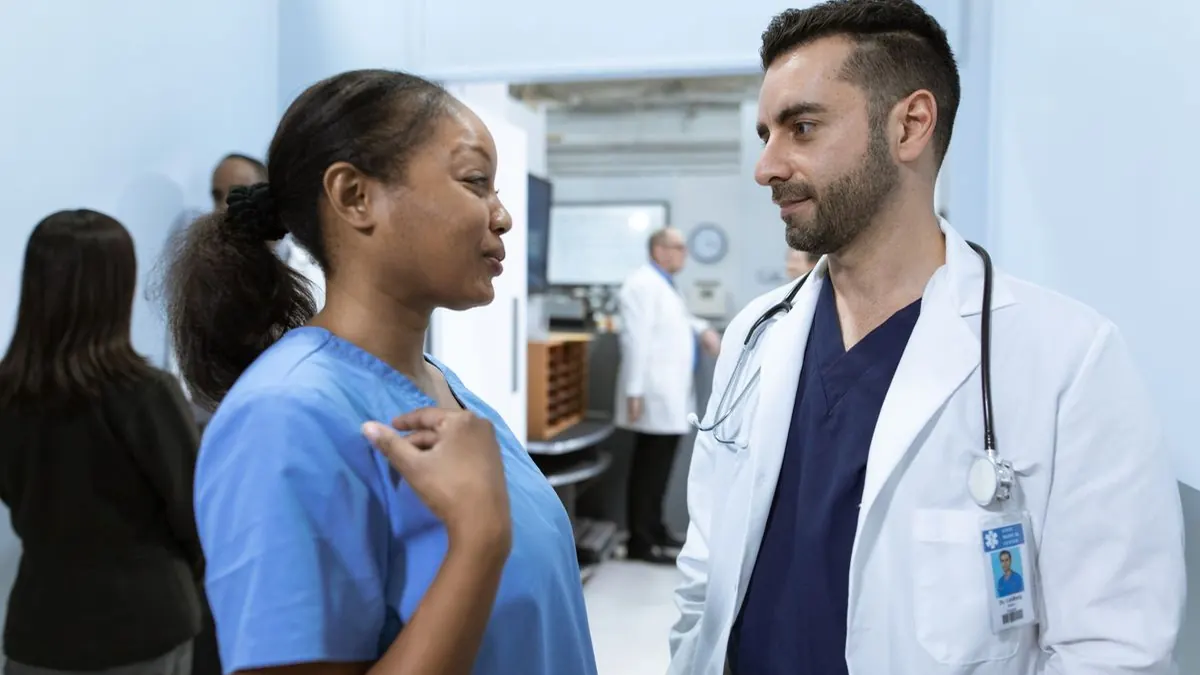
To work as a nurse, doctor, pharmacist or allied health professional in Oman, you need a professional licence from the Ministry of Health (MOH), which normally requires primary source verification of your documents through DataFlow and a pass in the relevant Oman Medical Specialty Board (OMSB) occupational classification exam. The biggest employer is the MOH itself, followed by other government hospitals and a growing private sector of hospitals, clinics and pharmacies.
Who hires healthcare workers in Oman
Healthcare jobs in Oman fall into three broad groups of employers:
- Ministry of Health: the largest employer, running referral hospitals such as the Royal Hospital and Khoula Hospital in Muscat, regional hospitals in every governorate and a wide network of health centres.
- Other government and semi-government providers: Sultan Qaboos University Hospital, the Armed Forces medical services, the Royal Oman Police medical services and medical units of large companies.
- Private sector: private hospitals, polyclinics, diagnostic centres, dental clinics, home-care providers and pharmacy chains, concentrated in Muscat but also present in Sohar, Salalah, Nizwa and Sur.
Demand is strongest for registered nurses, specialist doctors, allied health professionals (laboratory, radiology, physiotherapy, respiratory therapy) and healthcare support roles such as medical coding, health information and biomedical engineering.
How healthcare licensing works in Oman
The MOH is the licensing authority for health professionals in both the public and private sectors. A government post is linked to MOH employment, while a private-sector licence is linked to a licensed private facility that employs you. While exact steps can vary by profession, the typical pathway is:
- Check eligibility: make sure your qualification is from a recognised institution and that your profession and grade are licensable in Oman.
- Primary source verification (PSV): DataFlow Group verifies your degree, registration and experience directly with the issuing bodies.
- OMSB occupational classification exam: a computer-based exam for your specific profession or specialty.
- MOH evaluation: your file is reviewed and your professional classification and grade are confirmed.
- Licence and work permit: once licensed, your employer completes the work permit and residence formalities.
Oman's Public Health Law (Royal Decree 43/2025) also strengthened rules on licensing, facility accreditation and penalties, so requirements can change. Always confirm the current process with the Ministry of Health or your employer before you start.
The OMSB occupational classification exams
According to the Oman Medical Specialty Board, its occupational classification (OC) exams are used by the MOH and other government and private health institutions for licensing, and candidates must pass the relevant exam to work in these institutions.
| Profession | Exam | Notes |
|---|---|---|
| Nurses with a bachelor's degree | OMSB nursing exam (BSN) | Multiple-choice, computer-based |
| Nurses with a diploma | OMSB nursing exam (diploma) | Separate exam with its own pass mark |
| Doctors | Specialty exams (e.g. internal medicine, emergency medicine, general practice) | Some highly qualified specialists may be exempted case by case |
| Pharmacists, dentists, allied health | Profession-specific exams (e.g. pharmacy, dentistry, physiotherapy) | Check the current list on the OMSB site |
- The exams are delivered by Pearson VUE, at the OMSB National Test Center in Innovation Park Muscat and at Pearson VUE test centres worldwide, so many candidates sit the exam in their home country.
- The nursing exam has 100 multiple-choice questions over 2.5 hours, covering areas such as adult, maternal, child, mental health, community and gerontological nursing.
- Fees, pass marks and retake rules can change. Check them on the official booking page before you register.
Omanisation in the health sector
Health is a priority sector for employing Omani graduates. Many nursing and technical posts in government hospitals are now filled by Omanis, and some private-sector roles are being localised as well. For example, a Ministry of Health circular in July 2025 stopped the renewal of licences for non-Omani pharmacists and assistant pharmacists working in pharmacies in commercial complexes and in hospital-affiliated pharmacies.
- Omani graduates: watch for MOH and national employment announcements, hospital training programmes and private-sector Omanisation drives.
- Expatriates: demand remains for experienced specialist doctors, specialised nurses (ICU, NICU, operating theatre, dialysis, emergency) and certain allied health roles, especially in the private sector. Check whether your target role is open to non-Omanis on the Ministry of Labour website.
What employers look for
- A recognised degree or diploma and an active licence or registration in your home country, with a certificate of good standing.
- Recent, relevant post-qualification experience. The minimum required varies by profession and employer, so read each vacancy carefully.
- Up-to-date life support certificates such as BLS, and ACLS, PALS or NRP for critical-care, paediatric and neonatal roles.
- Clear documentation: attested certificates, detailed experience letters with dates and departments, and a CV that lists the units, bed capacity and procedures you are experienced in.
- Good English; Arabic is a strong advantage for patient-facing roles.
Practical tips for your application
- Start verification early. DataFlow checks can take weeks, especially when universities or past employers are slow to respond.
- Prepare for the OMSB exam using the official exam booklet and blueprint for your profession, not only unofficial question banks.
- Keep copies of every document, receipt and case number in one folder.
- Target your search. Browse healthcare jobs in Oman, filter by city such as Muscat or Salalah, and create a free job alert for nurse, pharmacist or doctor roles.
- Protect yourself. Genuine hospitals and clinics do not ask candidates to pay for a job offer or visa. HireTalent is a job board, not a recruitment agency, and never charges candidates.
Working life in Oman's health sector
Most nurses and allied health staff work shift patterns, including nights and weekends. Contracts, leave and end-of-service benefits are governed by the Omani Labour Law (Royal Decree 53/2023) for private-sector employees, while government employees follow civil service rules. Salaries and allowances vary considerably by employer, specialty, grade and experience, so compare the full package, including housing, transport, flights and medical insurance, rather than basic salary alone.
Key takeaways
- You need an MOH licence to practise in Oman, in both government and private facilities.
- The usual pathway is DataFlow verification, the OMSB occupational classification exam, MOH evaluation and then the work permit.
- OMSB exams are delivered by Pearson VUE in Muscat and worldwide.
- Omanisation is increasing, especially for nursing and pharmacy roles; expatriate demand focuses on experienced and specialised staff.
- Start document verification early and confirm current rules with official sources.
FAQ
Do nurses need to pass an exam to work in Oman?
Yes. Nurses normally need to pass the OMSB occupational classification exam for nursing (bachelor's or diploma version) and complete DataFlow verification before the Ministry of Health issues a licence.
Can I take the OMSB exam outside Oman?
Yes. OMSB exams are delivered by Pearson VUE at the OMSB National Test Center in Muscat and at Pearson VUE test centres worldwide.
Who issues healthcare licences in Oman?
The Ministry of Health licenses health professionals for both government and private facilities. OMSB runs the occupational classification exams used in the licensing process.
Are pharmacist jobs in Oman open to expatriates?
Fewer than before. Since July 2025, licences of non-Omani pharmacists in pharmacies within commercial complexes and hospital-affiliated pharmacies are not being renewed. Check current rules with the Ministry of Health and Ministry of Labour.
Sources
- Occupational Classification Examinations (Oman Medical Specialty Board)
- OMSB partners exclusively with Pearson VUE for the Omani Occupational Classification Examination for Nurses
- MOH Oman licensing overview (Neelim Healthcare Consulting)
- OMSB exam: format, booking and attempts (Neelim)
- Pharmacist jobs in hospitals and commercial centres Omanised (Muscat Daily)
- New Oman Public Health Law: key compliance requirements (Al Tamimi & Co)
More from the blog

Learning to Code in 2026: Where to Start
A practical beginner's roadmap to coding in 2026: pick a goal, learn Python or JavaScript, use AI wisely and build projects employers notice.

How to Spot and Avoid Job Scams in Oman
Genuine employers in Oman never charge you to get a job. Learn the common scam patterns, the red flags, how to verify an offer and where to report fraud.

Banking, Finance and Accounting Jobs in Oman: Career Guide
Oman's financial sector is growing fast. Learn which banking, finance and accounting roles are in demand, how Omanisation shapes hiring and what the 2025 sector certificate means for you.