How to Protect Your Personal Data Online in Oman
Strong passwords, 2FA and sharing less go a long way. Plus what Oman's Personal Data Protection Law means for you.
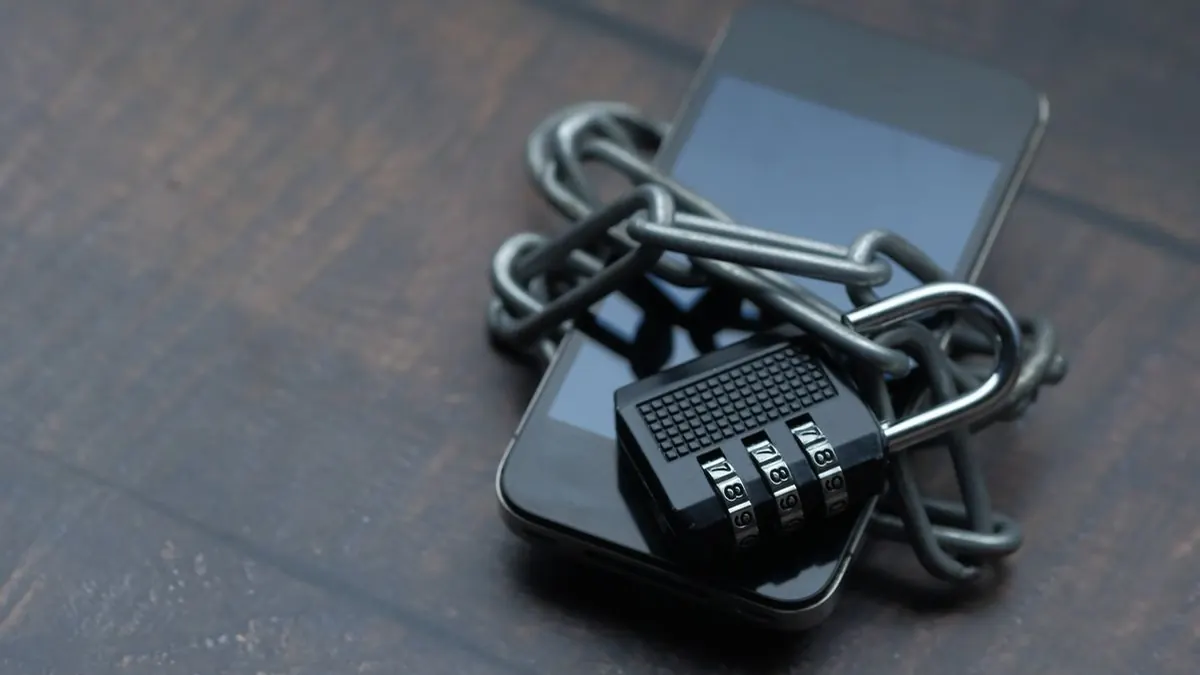
To protect your personal data online, use strong unique passwords with two-factor authentication, share as little personal information as possible, be suspicious of unexpected links and requests, and keep your devices updated. In Oman, the Personal Data Protection Law (Royal Decree 6/2022) also gives you legal rights over how organisations collect and use your data. This guide explains practical steps for everyday life and job hunting, and what the law means for you.
Why personal data matters
Your personal data includes your name, ID and passport numbers, phone number, address, photos, bank details, health information and even your location history. In the wrong hands it can be used for fraud, identity theft, account takeover, targeted scams or harassment. Job seekers are a frequent target because they share CVs widely and are eager to respond to offers.
Your rights under Oman's Personal Data Protection Law
Oman's Personal Data Protection Law (PDPL) was issued by Royal Decree No. 6/2022 and came into force in February 2023. Its Executive Regulations were issued in 2024, and after a transition period the law became fully enforceable in February 2026, with the Ministry of Transport, Communications and Information Technology acting as regulator. In general terms, the law requires organisations to have a lawful basis, often your consent, to process your personal data, and gives you rights including to:
- withdraw your consent to processing;
- ask for your data to be corrected, updated, erased or blocked;
- obtain a copy of your personal data being processed;
- be notified of a data breach affecting you;
- complain to the regulator.
This is a summary, not legal advice. For specific situations, refer to the official text of the law and its regulations or consult a lawyer.
Essential everyday protections
| Action | Why it helps |
|---|---|
| Use a password manager and unique passwords | One leaked password cannot unlock your other accounts |
| Turn on two-factor authentication (2FA) | Stops most account takeovers even if a password leaks |
| Update your phone, laptop and apps | Fixes security holes attackers exploit |
| Lock your phone with biometrics or a strong PIN | Protects banking apps, email and messages if your phone is lost |
| Review app permissions | Limits access to your contacts, location, camera and photos |
| Back up important files | Protects you from loss and ransomware |
Spotting phishing and social engineering
Most data theft starts with a message that tricks you into clicking or sharing. Common examples in the Gulf include fake delivery notices, messages claiming a fine or blocked bank account, fake government or police calls, and fake job offers. Warning signs:
- urgency or threats ("your account will be closed today");
- links with misspelt or unusual domain names;
- requests for OTPs, PINs, passwords or card numbers;
- offers that seem too good to be true;
- messages from unknown numbers asking you to move to another app.
When in doubt, do not click. Contact the organisation directly using its official website or app.
Protecting your data while job hunting
- Keep your CV lean. Name, phone, email, city and LinkedIn are enough. Do not include your passport number, ID number, full home address, date of birth or a copy of your ID unless an employer genuinely needs them later in the process.
- Use trusted job sites and official company career pages. Be careful posting your CV in public groups and social media.
- Verify the employer before sharing documents. Check the company's website, official email domain and contact details. Genuine employers usually request ID and passport copies only once an offer is being processed.
- Never pay fees to get a job and never share bank login details. Read our guide to avoiding job scams in Oman.
- Use a professional email address separate from your banking and personal accounts if possible.
Our guide to writing a CV for jobs in Oman shows what personal details to include and leave out.
Social media and messaging
- Set accounts to private where appropriate and review who can see your phone number and profile photo.
- Avoid posting travel plans in real time, photos of documents, boarding passes or car number plates.
- Enable two-step verification on WhatsApp and other messaging apps.
- Think twice before taking online quizzes that ask for personal details such as your mother's name or first school, which are common security questions.
Public Wi-Fi and shared devices
Avoid logging in to banking or work accounts on public Wi-Fi in cafés, malls or airports unless you use mobile data or a trusted VPN. On shared or office computers, use private browsing, never save passwords, and always log out.
What to do if your data is compromised
- Change the affected password immediately and any account using the same password.
- Turn on 2FA and sign out of all other sessions.
- If banking details were exposed, call your bank on its official number and block cards.
- Report fraud to the relevant authorities and, if an organisation leaked your data, you can raise it with the organisation and the regulator.
- Warn your contacts if your messaging or email account was taken over.
Careers in data protection and cybersecurity
With the PDPL now enforced, organisations in Oman need people who understand data protection, compliance and security. Roles include data protection officer, compliance specialist, cybersecurity analyst and IT auditor. Explore IT and telecom jobs and legal jobs, or set up free job alerts.
Key takeaways
- Use unique passwords, a password manager and two-factor authentication everywhere.
- Share the minimum personal data, especially on CVs and social media.
- Treat urgent messages, links and requests for OTPs as suspicious.
- Oman's PDPL (Royal Decree 6/2022) is fully enforceable and gives you rights over your data.
- If something goes wrong, act fast: change passwords, call your bank and report it.
FAQ
Does Oman have a data protection law?
Yes. The Personal Data Protection Law was issued by Royal Decree No. 6/2022, came into force in February 2023, and became fully enforceable in February 2026 after the transition period under its Executive Regulations. The Ministry of Transport, Communications and IT is the regulator.
What personal details should I leave off my CV?
Leave out your passport and ID numbers, full home address, ID copies and bank details. Name, phone, email, city and a LinkedIn link are usually enough at the application stage.
What is the single most effective step to protect my accounts?
Turning on two-factor authentication, combined with unique passwords stored in a password manager, prevents most account takeovers.
What should I do if I clicked a phishing link?
Disconnect, change the passwords of any account you entered, enable 2FA, sign out of other sessions, and call your bank immediately if you entered card or banking details.
Sources
More from the blog
Cybersecurity Jobs in Oman: Roles, Skills and Certifications
Oman treats cybersecurity as a growth industry, not just a defence function. Learn which roles are in demand, who hires and which certifications employers value.

Freelancing Online Safely: Platforms, Payments and Scams
Freelancing can boost your income, but scams and unpaid work are common. How to choose platforms, get paid and stay safe.

Digital Banking and E-Wallets in Oman: A Practical Guide
From instant mobile-number transfers to licensed e-wallets and phone payments, here is how to bank digitally in Oman, safely.