Digital Banking and E-Wallets in Oman: A Practical Guide
From instant mobile-number transfers to licensed e-wallets and phone payments, here is how to bank digitally in Oman, safely.
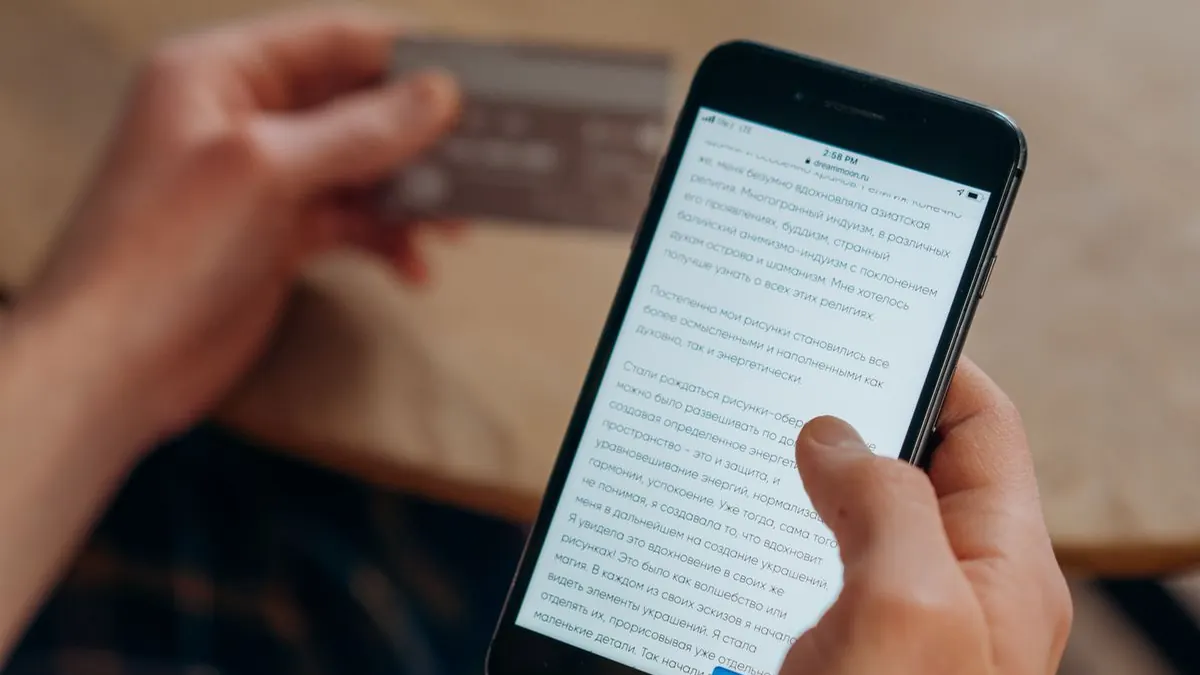
Digital banking in Oman lets you open and manage accounts, transfer money instantly using a mobile number, pay bills and government fees, and pay in shops with your phone, all through your bank's app or a licensed e-wallet. Banks and payment providers are regulated by the Central Bank of Oman (CBO), which has been pushing the country towards a cashless economy. This practical guide explains the main options, recent changes and how to use them safely.
The building blocks of digital payments in Oman
Most digital payments in Oman run on national infrastructure managed under the Central Bank of Oman:
- Mobile banking apps: every major bank offers an app for balances, transfers, bill payments, card controls and often digital account opening.
- Instant payments: the national instant payment system lets you send money person-to-person in real time using the recipient's mobile number or an alias, including between different banks and licensed payment providers.
- Bank transfers: larger or account-number-based local transfers run through the RTGS and ACH systems.
- OmanNet: the national switch connecting ATMs, point-of-sale terminals and online payments for locally issued cards.
- Maal: a national payment card scheme led by the CBO, which began its soft launch in late 2025 and is issued through local banks, designed to keep domestic card payments on a locally managed network.
What changed in 2026: free local digital transfers
From 1 July 2026, the Central Bank of Oman introduced a fee waiver for local digital transfers. As reported at the time, retail customers and SMEs can make local RTGS and ACH transfers through digital banking and payment channels, including e-wallets, without fees, and person-to-person instant payments sent by mobile number or alias are free for all customers, whether the recipient is at the same bank, another bank or a licensed payment service provider. Always confirm the details for your own account in your bank's current tariff, as some services and international transfers still carry charges.
E-wallets and payment service providers
An e-wallet stores money or links to your card so you can pay by phone, scan QR codes or send money. In Oman, companies offering wallets and payment services must be licensed by the CBO as payment service providers (PSPs); several fintech and investment companies have received such licences in recent years. Telecom operators, banks and fintech start-ups all play a role.
Mobile wallets such as Apple Pay have also become widely used in Oman following card tokenisation by local banks, letting you tap your phone or watch at payment terminals. Which wallets work with your card depends on your bank, so check its app or website.
| Option | Best for | Things to check |
|---|---|---|
| Bank mobile app | Salary account, transfers, bills, savings | Transfer limits, security features, fees |
| Instant payment by mobile number | Paying friends, family, small businesses | Recipient's registered name before confirming |
| Licensed e-wallet | Everyday small payments, QR payments, people without full bank services | That the provider is CBO-licensed, wallet limits |
| Phone wallet (e.g. Apple Pay) | Fast contactless payments in shops and online | Whether your bank supports it |
| Debit or credit card online | E-commerce and subscriptions | 3-D Secure / OTP, foreign transaction fees |
Opening a bank account as a new employee
Most employers in Oman pay salaries by bank transfer, so opening an account is usually one of the first steps in a new job. Banks typically ask for your Omani ID or resident card, passport, and often a salary or employment letter. Many banks now let Omanis and residents start or complete account opening digitally, while some steps may still need a branch visit. Requirements differ by bank and account type, so check before you go. Our guide on how to find a job in Oman covers the wider process of starting work.
Paying government fees and bills digitally
A growing share of government services in Oman can be completed and paid for online through official portals and apps, and utility and telecom bills can be paid through bank apps and wallets. Use only official apps and websites, and be careful with links received by SMS or messaging apps that claim to be from a ministry, the police or a utility company.
Staying safe with digital banking
Fraudsters target mobile banking users with fake calls, SMS links and social media pages. Protect yourself:
- Never share OTPs, PINs or passwords, even with someone claiming to be from your bank, the police or the Central Bank. Banks do not ask for them.
- Download apps only from official stores and check the developer name.
- Turn on notifications for every transaction so you see unusual activity immediately.
- Use biometrics and a strong device passcode; keep your phone's software updated.
- Check the recipient's name before confirming an instant transfer; instant payments are hard to reverse.
- Beware of job and investment scams that ask you to receive or forward money. This can make you part of money laundering. Read our guide to avoiding job scams in Oman.
- If something goes wrong, call your bank immediately using the number on its official website or the back of your card, and block your card in the app.
Careers in digital banking and fintech
The shift to digital payments is creating jobs in mobile app development, cybersecurity, fraud monitoring, compliance, data analysis, product management and digital customer service. Banks and payment providers increasingly look for candidates who combine financial knowledge with digital skills. Browse banking and finance jobs and IT jobs, or set up free job alerts.
Key takeaways
- Oman's digital payments run on CBO-managed systems, including instant mobile-number transfers and the OmanNet switch.
- Since 1 July 2026, many local digital transfers for individuals and SMEs are fee-free; check your bank's tariff for details.
- Use only CBO-licensed e-wallets and official bank apps.
- Never share OTPs or PINs, and verify recipients before sending instant payments.
- Digital banking is a growing source of jobs in tech, risk and customer service.
FAQ
Are bank transfers free in Oman?
From 1 July 2026 the Central Bank of Oman waived fees on many local digital transfers for retail customers and SMEs, and person-to-person instant payments by mobile number are free for all customers. International transfers and some services may still carry fees, so check your bank's tariff.
How do I know if an e-wallet is safe to use in Oman?
Use only wallets from banks or payment service providers licensed by the Central Bank of Oman, download the app from official stores, and protect it with biometrics and a strong passcode.
Can I send money using only a mobile number in Oman?
Yes. Oman's instant payment system lets you send money in real time to a mobile number or alias registered with a participating bank or licensed payment provider. Always check the recipient's name before confirming.
What should I do if I shared my OTP with a scammer?
Call your bank immediately on its official number, block your card and online banking access, change your passwords and report the incident to the bank and the police.
Sources
- Central Bank of Oman announces fee waiver for local digital transfers (Zawya)
- Oman advances cashless society goals with soft launch of Maal payment card (TechAfrica News, Dec 2025)
- OIFC secures final CBO approval, prepares to launch Khedmah E-wallet (Black & White Oman)
- Oman digital payments: Apple Pay and Samsung Pay (MEA Tech Watch)
More from the blog

Digital Transformation in Oman: What It Means for Careers
Oman's shift to digital services is changing almost every job. Here is what it means for your career and which skills to build.

Online Courses and Certifications That Are Worth It
Not every certificate helps your career. How to pick recognised certifications, learn online effectively and avoid worthless credentials.

How to Improve Your English for Work: Practical Methods
Workplace English improves fastest through daily, focused practice. Methods, resources and a 30-day plan for busy professionals.