Oil and Gas Jobs in Oman: Employers, Roles & Qualifications
Who hires in Oman's oil and gas sector, which roles are in demand, and the qualifications and certificates you need to compete for them.
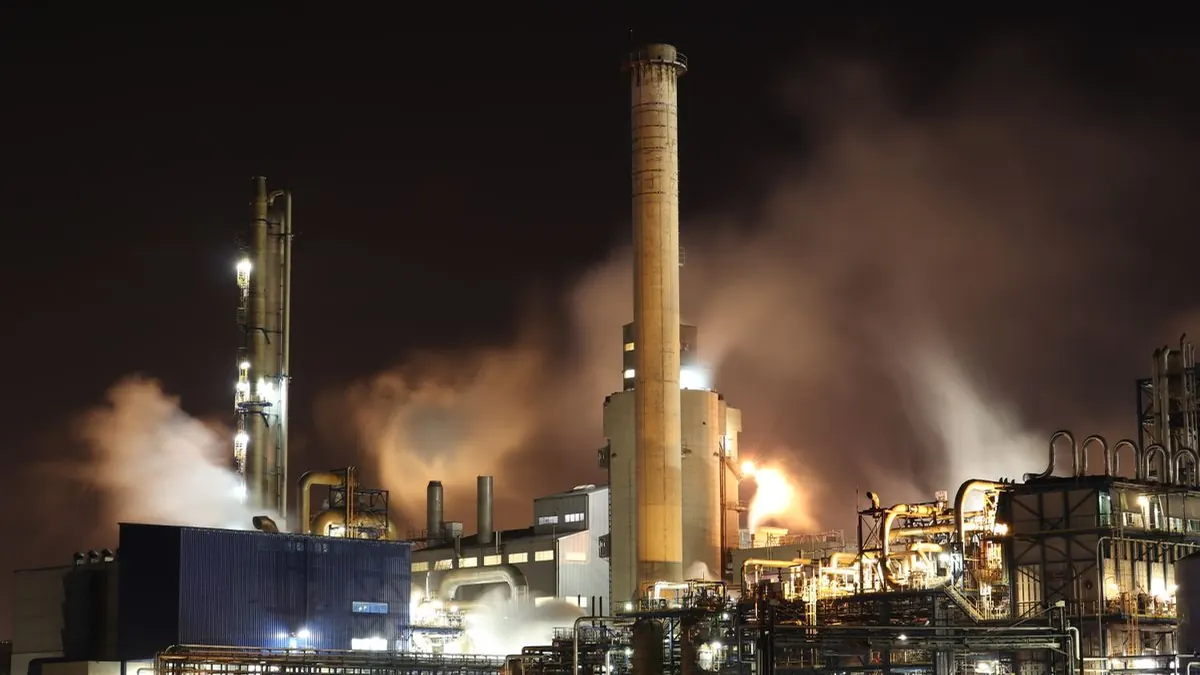
Oil and gas jobs in Oman are concentrated with a small group of operators, led by Petroleum Development Oman (PDO), Occidental, BP, Shell and the state energy group OQ, and a much larger network of drilling, engineering and service contractors that work for them. Most vacancies are for technicians, engineers, drilling crews and HSE specialists. The sector is highly Omanised, so openings for expatriates are mostly specialist roles that require proven experience and recognised certifications.
Why oil and gas still drives jobs in Oman
Hydrocarbons remain the backbone of the Omani economy. According to the U.S. International Trade Administration's 2025 country guide, oil and gas provide roughly 70% of government budget revenue and about 30% of GDP, and Oman was producing around 775,000 barrels per day in mid-2025 while respecting OPEC+ quotas. New activity continues in gas, refining and LNG, including the OQ8 refinery in Duqm and the Marsa LNG project in Sohar.
The sector is also one of the most localised in the country. The Ministry of Energy and Minerals' annual report, as reported by AGBI, put Omanisation in oil and gas at 89%, with around 17,900 nationals employed. PDO alone reports an Omanisation rate above 90%.
Main employers in Oman's oil and gas sector
Jobs are split between operators, which hold the concession blocks, and contractors, which supply drilling, construction, maintenance and specialist services. In practice, contractors hire far more people than operators do.
| Employer | Main activity | Typical locations |
|---|---|---|
| Petroleum Development Oman (PDO) | Largest operator, holds most of Oman's oil reserves (Block 6) | Muscat (Mina Al Fahal), Fahud, Qarn Alam, Marmul, Nimr |
| Occidental Oman | Second-largest oil operator (Blocks 9, 62, Mukhaizna) | North and central Oman |
| BP Oman | Khazzan and Ghazeer gas fields (Block 61) | Central Oman |
| Shell, TotalEnergies and partners | Gas (Block 10), LNG, Marsa LNG project | Muscat, Sohar |
| OQ | State energy group: upstream interests, refining, petrochemicals | Sohar, Duqm, Muscat |
| Oman LNG | Liquefied natural gas plant | Qalhat, near Sur |
| Other operators | e.g. Daleel Petroleum (Block 5), CC Energy Development (Blocks 3 and 4) | Interior fields |
Behind these companies sit hundreds of drilling contractors, EPC (engineering, procurement and construction) firms, well-services companies, maintenance contractors and catering and logistics providers. Many are Omani companies that grew through the In-Country Value (ICV) programmes run by the operators.
In-demand roles
Vacancy titles change with project cycles, but these groups of roles appear again and again:
- Drilling and wells: drillers, assistant drillers, derrickmen, floormen, toolpushers, wellsite supervisors, workover and well-intervention crews.
- Production and operations: production operators, control room operators, process technicians, field supervisors.
- Engineering: petroleum, reservoir, process, mechanical, electrical, instrumentation, corrosion and pipeline engineers.
- Maintenance and trades: mechanical and electrical technicians, instrument technicians, welders, fitters, riggers, crane operators.
- HSE: HSE officers and advisers, permit-to-work coordinators, fire and safety technicians, environmental specialists.
- Support functions: planners, cost controllers, procurement and contracts staff, logistics coordinators, camp and facilities management.
- Energy transition: growing demand for engineers and technicians with experience in gas processing, carbon reduction, solar and hydrogen projects.
Qualifications and certificates employers look for
Requirements depend on the role, but most job adverts in the sector ask for some combination of the following:
- Education: a relevant engineering or science degree for engineering roles; a diploma or recognised vocational qualification for technicians and trades.
- Engineer classification: since August 2025 the Ministry of Labour requires anyone employed under an "engineer" title to hold a professional classification certificate from the Oman Society of Engineers to obtain or renew a work permit. Qualifications and experience are verified through DataFlow.
- Degree recognition: foreign qualifications generally need to be attested and may require an equivalency certificate from the Ministry of Higher Education, Research and Innovation.
- HSE training: certificates such as NEBOSH or IOSH for safety roles, plus H2S awareness, first aid, firefighting and defensive (desert) driving, which many sites require before you can work in the field.
- Experience: for expatriates, documented experience on similar fields, rigs or plants is usually the deciding factor. Operators and contractors also run their own site inductions and competency checks.
Omanisation: what it means for Omanis and expatriates
Omanisation is central to hiring in this sector. Operators set localisation targets for themselves and for their contractors, and the ICV programme channels spending and training towards Omani companies and workers. PDO reports that its ICV programme created more than 2,500 jobs for Omanis in 2025 alone, alongside long-running training-for-employment schemes.
- Omani jobseekers: watch for graduate programmes, technical apprenticeships and training-linked job schemes run by operators, contractors and industry bodies. Many entry-level field roles are filled through these routes.
- Expatriates: opportunities are mainly in senior, niche or project-based roles where local experience is still limited. The Ministry of Labour also reserves certain occupations for Omani citizens, so always check the current list on the Ministry of Labour website before applying.
Working conditions, locations and pay
Field jobs are mostly in the interior, in areas such as Fahud, Qarn Alam, Marmul, Nimr and the Khazzan gas field, while refining and LNG roles are in Sohar, Duqm and Sur. Head-office, engineering and support roles are largely in Muscat.
- Field staff commonly work on rotation (a set number of weeks on site, then a period of leave) and live in company or contractor camps.
- Summer heat in the interior is extreme, and strict safety rules apply on every site.
- Salaries vary widely by employer, role, nationality and whether you work for an operator or a contractor. Benefits often include accommodation or camp, transport and field allowances. Compare offers carefully rather than relying on published "average salary" figures.
Employment terms are governed by the Omani Labour Law (Royal Decree 53/2023), which covers contracts, working hours, leave and end-of-service benefits.
How to find and apply for oil and gas jobs
- Tailor your CV to the field: list the rigs, plants or fields you have worked on, the equipment you know and your certificates with expiry dates.
- Check operators' and contractors' career pages directly, as well as job boards. You can browse current vacancies in oil and gas jobs and related engineering jobs.
- Set up a free job alert so new rig, plant and HSE roles reach you quickly.
- Prepare your documents early: attested degrees, experience letters, and (for engineers) the Oman Society of Engineers classification.
- Be cautious with offers that sound too good. Genuine employers do not ask candidates to pay for a job offer, visa or "processing". HireTalent is a job board, not a recruitment agency, and never charges candidates.
Key takeaways
- PDO is the largest employer, but contractors and service companies create most of the jobs.
- Drilling, production operations, maintenance, engineering and HSE are the most common vacancy areas.
- Engineers need an Oman Society of Engineers classification certificate to get or renew a work permit.
- The sector is around 89% Omanised; expatriate roles are mostly specialist and experience-based.
- Field work usually means rotations, camp life and strict safety requirements.
FAQ
Who is the biggest oil and gas employer in Oman?
Petroleum Development Oman (PDO) is the largest operator and holds most of the country's oil reserves. However, drilling, engineering and service contractors working for PDO and other operators employ more people in total.
Can expatriates get oil and gas jobs in Oman?
Yes, but the sector is highly Omanised (around 89%), so expatriate hiring focuses on specialist, senior or project roles that require proven experience. Some occupations are reserved for Omanis, so check the Ministry of Labour's current list.
Do engineers need a special certificate to work in Oman's oil and gas sector?
Yes. Since August 2025 anyone employed as an engineer needs a professional classification certificate from the Oman Society of Engineers to obtain or renew a work permit, with qualifications verified through DataFlow.
What safety certificates help in oil and gas job applications?
NEBOSH or IOSH certificates are widely requested for HSE roles, and many sites require H2S awareness, first aid, firefighting and defensive driving training before field work.
Sources
- Oman - Oil & Gas, Country Commercial Guide (U.S. International Trade Administration)
- Background Reference: Oman (U.S. Energy Information Administration)
- Omani workers in oil and gas reach 89% (AGBI)
- From oilfield to nation builder: PDO's next leap (Oman Observer via Zawya)
- Oman: Mandatory Certification for Engineers and Finance Professionals (Middle East Briefing)
- Oman Society of Engineers verification (DataFlow Group)
More from the blog
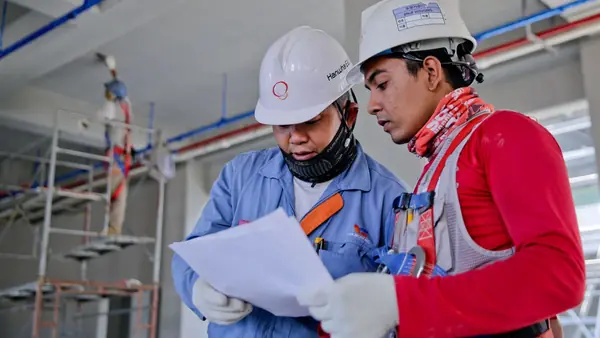
Engineering and Construction Jobs in Oman: Sectors & Requirements
Where engineering and construction jobs are in Oman, which projects drive hiring, and what engineers need, including the mandatory OSE classification.

Learning to Code in 2026: Where to Start
A practical beginner's roadmap to coding in 2026: pick a goal, learn Python or JavaScript, use AI wisely and build projects employers notice.

How to Spot and Avoid Job Scams in Oman
Genuine employers in Oman never charge you to get a job. Learn the common scam patterns, the red flags, how to verify an offer and where to report fraud.