Security Guard Jobs in Oman: Employers, Duties and Requirements
Security guard and supervisor roles in Oman are reserved for Omanis. Here is where the jobs are, what they involve and how to get hired.
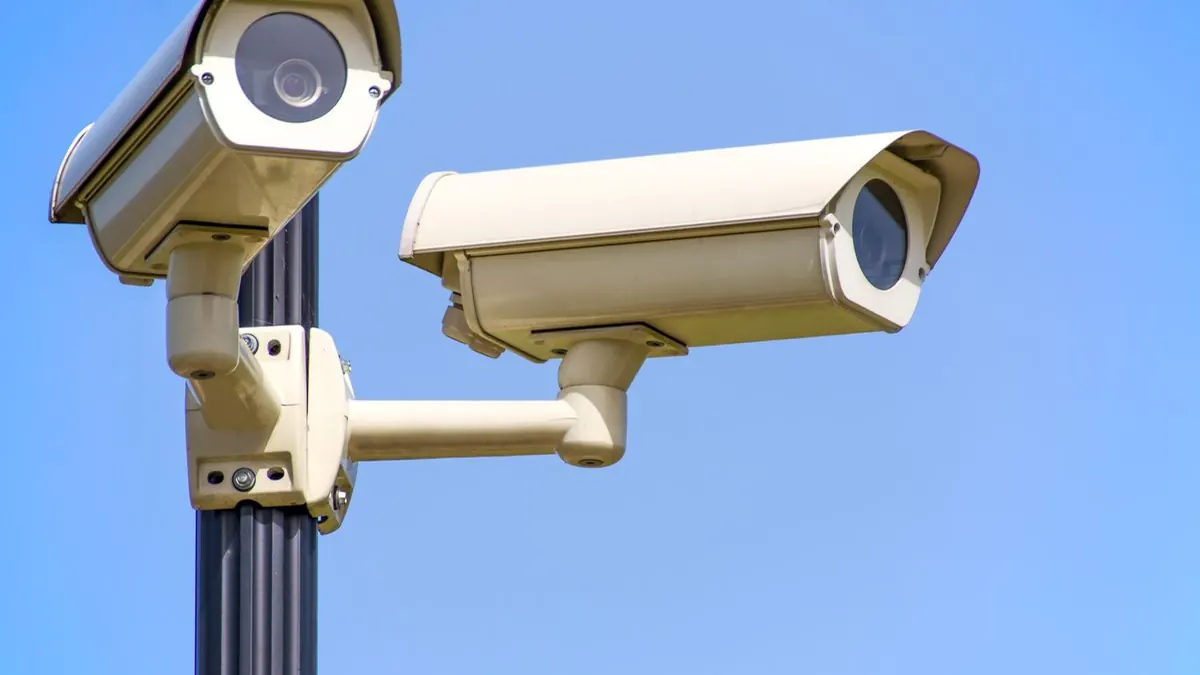
Security jobs in Oman are mainly filled by Omani citizens: security guard, watchman, gateman and security supervisor are on the Ministry of Labour's list of professions reserved for Omanis. Opportunities exist with private security companies, malls, hotels, hospitals, banks, ports, oil and gas sites and government-linked facilities, and most entry-level roles need good fitness, a clean record and basic English rather than a degree.
This guide covers who can work in security, the main employers, typical duties and shifts, the skills that help you get hired and how to grow into supervisory and specialist roles.
Who can work as a security guard in Oman?
Through Ministerial Decision 235/2022, the Ministry of Labour reserved 207 professions for Omanis. Published reports of the decision list security supervisor, security guard, watchman and gateman among them. In practice this means:
- Omani job seekers are the main candidate pool for guarding and supervisory roles, and companies that hold security contracts compete to recruit and keep them.
- Expatriates generally cannot get a new work permit for these job titles. Expat opportunities in the field tend to be in specialist areas such as security systems engineering, CCTV and access-control installation, or senior corporate security and risk management where the employer can justify the hire.
Reserved lists are updated, so always check a specific job title with the Ministry of Labour. Our guide to Omanisation explains how quotas and reserved professions work.
Where are the security jobs?
Almost every large site in Oman needs round-the-clock security. The main employers are:
| Employer type | Typical roles |
|---|---|
| Private security and facilities-management companies | Guards, patrol officers and supervisors deployed to client sites |
| Shopping malls and retail chains | Mall security, loss prevention and CCTV operators |
| Hotels and resorts | Hotel security officers and night managers' teams |
| Hospitals and universities | Gate control, visitor management and patrols |
| Banks and exchange houses | Branch guards and cash-in-transit teams |
| Ports, free zones, oil and gas and industrial sites | Access control, permit checks and site security |
| Embassies and residential compounds | Local security guards and gate staff |
Muscat has the largest number of openings, followed by industrial hubs such as Sohar and Duqm and the tourism and port economy of Salalah. See current listings in Muscat, Sohar and Salalah.
What does a security guard do day to day?
Duties vary by site, but most roles combine the following:
- Controlling entry and exit, checking ID cards, visitor passes and vehicle permits.
- Patrolling buildings, car parks and perimeters and recording observations in a logbook or app.
- Monitoring CCTV screens and alarm panels.
- Responding first to incidents, fires, medical emergencies and disputes, and calling the police or civil defence when needed.
- Writing short incident reports and handing over clearly at the end of each shift.
- Helping customers, guests or patients with directions and information.
Security is shift work. Sites operate 24/7, so expect rotating day and night shifts and work on weekends and public holidays. Oman's Labour Law (Royal Decree 53/2023) sets limits on working hours and rules on overtime and rest; our guide to working hours in Oman explains them.
Requirements and skills employers look for
Most entry-level security vacancies ask for:
- Omani nationality (for reserved guard and supervisor titles).
- General Education Diploma or equivalent; some employers accept lower levels with experience.
- Good physical fitness and the ability to stand and walk for long periods.
- A clean criminal record, which the employer may verify.
- Basic spoken English, especially in hotels, malls, hospitals and oil and gas sites.
- A driving licence for patrol and mobile roles.
Skills that make your CV stand out include first aid, fire safety and fire-warden training, CCTV and access-control systems, report writing, customer service and calm handling of conflict. Prior service in the armed forces, police or another security organisation is valued highly for supervisory roles.
Training and certificates that help
You do not need a university degree to start, but short courses can help you get hired and promoted:
- First aid and CPR from a recognised provider.
- Fire safety and evacuation training.
- Occupational health and safety awareness, which many industrial and oil and gas clients require.
- English for the workplace, especially for hotel and corporate sites.
- Security supervision or management courses once you have a few years of experience.
Omani job seekers can also look at national training and employment programmes linked to the Ministry of Labour, which sometimes cover security and facilities roles with on-the-job training.
Pay, benefits and career progression
Salaries in security depend on the employer, the site and the shift pattern. For Omani citizens, private-sector employers must pay at least the national minimum wage, and many add transport, shift or overtime allowances. Contracts with oil and gas or government-linked clients often pay more than standard building security. We do not publish fixed salary figures because they vary widely; compare offers carefully and read our guide to salaries in Oman.
A typical progression path is:
- Security guard → senior guard or CCTV operator
- Shift leader → security supervisor
- Site security manager → regional or corporate security manager
Some guards also move into related fields such as health and safety, facilities management or customer service, where their experience of incidents and people management is useful.
How to apply for security jobs
- Write a short, clear CV listing the sites you have worked at, your shift experience and any certificates. Our CV guide has a ready structure.
- Apply directly to security companies, malls and hotels as well as through job boards.
- Prepare for interview questions about handling a difficult visitor, a fire alarm or a suspicious package.
- Never pay a fee to get a job. HireTalent never charges candidates.
- Create a free job alert for "security" to get new vacancies by email.
Key takeaways
- Security guard, watchman, gateman and security supervisor are reserved for Omanis.
- Employers include security companies, malls, hotels, hospitals, banks, ports and industrial sites.
- Fitness, a clean record, basic English and first aid or fire safety training improve your chances.
- Expect shift work; the Labour Law sets rules on hours, overtime and rest.
FAQ
Can expatriates work as security guards in Oman?
Generally no. Security guard, watchman, gateman and security supervisor are among the professions reserved for Omanis under Ministerial Decision 235/2022. Expats may find specialist roles such as security systems engineering or senior risk management.
Do I need a degree to become a security guard in Oman?
No. Most employers ask for the General Education Diploma or equivalent, good fitness, a clean record and basic English. First aid and fire safety training help.
Do security guards in Oman work night shifts?
Yes. Most sites operate around the clock, so guards usually rotate between day and night shifts. Working hours, overtime and rest days are governed by the Labour Law (Royal Decree 53/2023).
Sources
More from the blog

Driver Jobs in Oman and How to Get an Omani Driving Licence
Which driving jobs can expatriates do in Oman, which are reserved for Omanis, and how to get an Omani driving licence step by step.

Presentation Skills: Public Speaking Tips for Work
Great presenters are made through preparation. A step-by-step guide to clear messages, simple slides and confident delivery at work.

IT Jobs in Oman: Software, Data and Tech Careers Guide
Oman's digital economy programme is creating demand for developers, data, cloud and security specialists. Here is who hires, which roles are open to whom, and how to stand out.