Electric Vehicles and Smart Mobility in Oman and the Gulf
EV numbers in Oman are rising fast. Learn about incentives, charging, costs and the jobs the shift to electric mobility is creating.
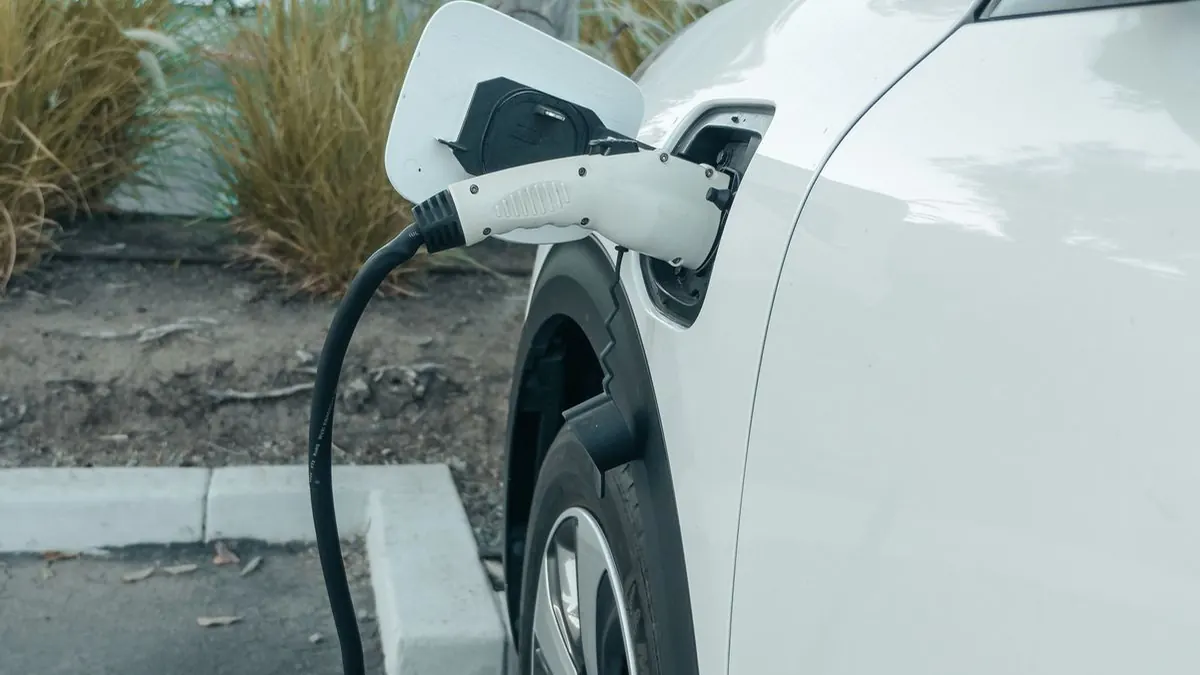
Electric vehicles (EVs) are still a small share of cars in Oman and the wider Gulf, but numbers are growing quickly, supported by government incentives, new charging networks and net-zero targets. For working people, this matters in two ways: it changes the cost and practicality of your own daily commute, and it is creating new jobs in engineering, energy, maintenance and smart mobility. Here is a practical overview.
Where EV adoption stands in Oman
Oman's EV market started from a very low base, but it has accelerated. Official comments reported by the Oman Observer in mid-2026 put the number of EVs in the country at several thousand, with authorities aiming for around 8,000 by the end of 2026. That is still a small fraction of all registered vehicles, yet the growth rate is significant and visible on the roads of Muscat.
The push is linked to Oman's commitment to reach net-zero emissions by 2050 and to the economic diversification goals of Oman Vision 2040. Transport is one of the largest sources of emissions, so cleaner vehicles are part of the plan alongside renewable power and green hydrogen.
Incentives and costs
In 2023, the government announced a package to lower the upfront cost of EVs. As reported by Times of Oman at the time, it included:
- a 100% exemption from customs duty on electric cars;
- an exemption from EV registration fees at the Royal Oman Police;
- a 0% VAT rate on electric cars and their spare parts.
These incentives took effect from 1 July 2023 for an initial three-year period that could be extended. Because that period has now reached its end date, check the current status with the dealer, the Tax Authority or the ROP before you buy rather than assuming the same terms still apply.
Running costs are where EVs often shine. Home electricity is generally far cheaper per kilometre than petrol, and EVs have fewer moving parts, so routine maintenance is usually simpler. Insurance, battery warranty and resale value vary by brand, so compare total cost of ownership, not just the purchase price.
Charging: the practical reality
Charging infrastructure is expanding but remains concentrated in cities. According to an Oman Observer report in June 2026, the Ministry of Transport, Communications and Information Technology had deployed around 160 public charging points and planned to expand the network to more than 350 stations by 2027. Private operators, fuel station networks, municipalities, malls and hotels are adding chargers too, and a government platform called Shahin was reported to let drivers find and pay for charging across different networks.
What this means in practice:
- Home charging is the backbone. If you can charge at home overnight, an EV is very practical for city commuting.
- Long trips need planning. Inter-city highways have fewer chargers, so check your route before driving to Salalah, Duqm or remote areas.
- Heat matters. Summer temperatures affect battery range and air-conditioning use, so choose a model with a good thermal management system and realistic range.
- Apartment living is harder. If you rent a flat without a dedicated parking charger, ask your landlord or building management before buying.
Smart mobility beyond private cars
Smart mobility covers more than EVs. Across the Gulf it includes ride-hailing apps, digital public transport ticketing, real-time traffic management, electric buses, connected cars and pilots of autonomous vehicles. Neighbouring countries such as the UAE and Saudi Arabia are investing heavily in EV manufacturing, charging networks and autonomous transport trials, which shapes the regional market and supply chain. Oman is also attracting EV-related industry: in 2026, construction began on a large plant in Sohar Freezone producing anode material for lithium-ion batteries.
Jobs and skills in the EV and mobility sector
The shift is creating demand for new and upgraded skills:
| Area | Example roles | Useful background |
|---|---|---|
| Vehicles and service | EV technician, high-voltage service specialist, service advisor | Automotive diploma plus EV and high-voltage safety training |
| Charging infrastructure | Electrical engineer, installation technician, project engineer | Electrical engineering, power systems, site safety |
| Energy and grid | Renewable energy engineer, grid planner, energy analyst | Power engineering, solar, data analysis |
| Software and data | Mobility app developer, IoT engineer, data analyst | Programming, cloud, telematics |
| Commercial | EV sales consultant, fleet manager, policy and sustainability specialist | Sales, logistics, ESG knowledge |
If you already work as a mechanic or electrician, a recognised EV or high-voltage safety course can be a strong upgrade. Engineers can add knowledge of charging standards, battery systems and renewable integration. Explore current openings in engineering and oil, gas and energy.
Should you buy an EV in Oman?
An EV can be a good choice if you mostly drive in the city, can charge at home, and plan to keep the car for several years. It may be less convenient if you frequently drive long distances in remote areas or cannot charge where you live. A plug-in hybrid can be a middle option. Whatever you choose, test drive in summer conditions, check the warranty on the battery, and ask about local service capacity for that brand.
Key takeaways
- EV numbers in Oman are small but growing fast, supported by net-zero 2050 goals and 2023 incentives (check whether they have been extended).
- Public charging is expanding, with plans for more than 350 stations by 2027, but home charging remains essential.
- Plan long journeys and consider summer heat when choosing a model.
- EVs and smart mobility are creating jobs for technicians, electrical engineers, energy specialists and software developers.
- Set up free job alerts for engineering and energy roles to catch new opportunities early.
FAQ
Are electric cars exempt from customs duty and VAT in Oman?
From 1 July 2023 Oman introduced a full customs exemption, an ROP registration-fee exemption and 0% VAT on EVs and their parts for an initial three-year period that could be extended. Confirm the current status with your dealer or the Tax Authority before buying.
How many EV charging stations are there in Oman?
Reports in 2026 cited around 160 public charging points deployed by the Ministry of Transport, Communications and IT, with plans for more than 350 by 2027, plus chargers from private operators, malls and hotels. Most are in cities.
Is an EV practical in Oman's summer heat?
Yes for most city driving, but heat reduces range and increases air-conditioning load. Choose a model with good battery thermal management and plan long trips around available chargers.
What jobs are growing because of electric vehicles?
Demand is growing for EV and high-voltage technicians, electrical and project engineers for charging infrastructure, renewable energy specialists, fleet managers and mobility software developers.
Sources
More from the blog

Jobs in Sohar: Port, Industry and Top Employers (2026 Guide)
Sohar's port, freezone and heavy industry support tens of thousands of jobs. Here is where the vacancies are and how to win them.

Oil and Gas Jobs in Oman: Employers, Roles & Qualifications
Who hires in Oman's oil and gas sector, which roles are in demand, and the qualifications and certificates you need to compete for them.

Digital Transformation in Oman: What It Means for Careers
Oman's shift to digital services is changing almost every job. Here is what it means for your career and which skills to build.